Star · Ada and Canyon counties · Treasure Valley
A Pest Guide for Homes in Star, Idaho
For houses between the foothills, the farm fields and the Boise River
- Reviewed by a licensed Idaho pest professional
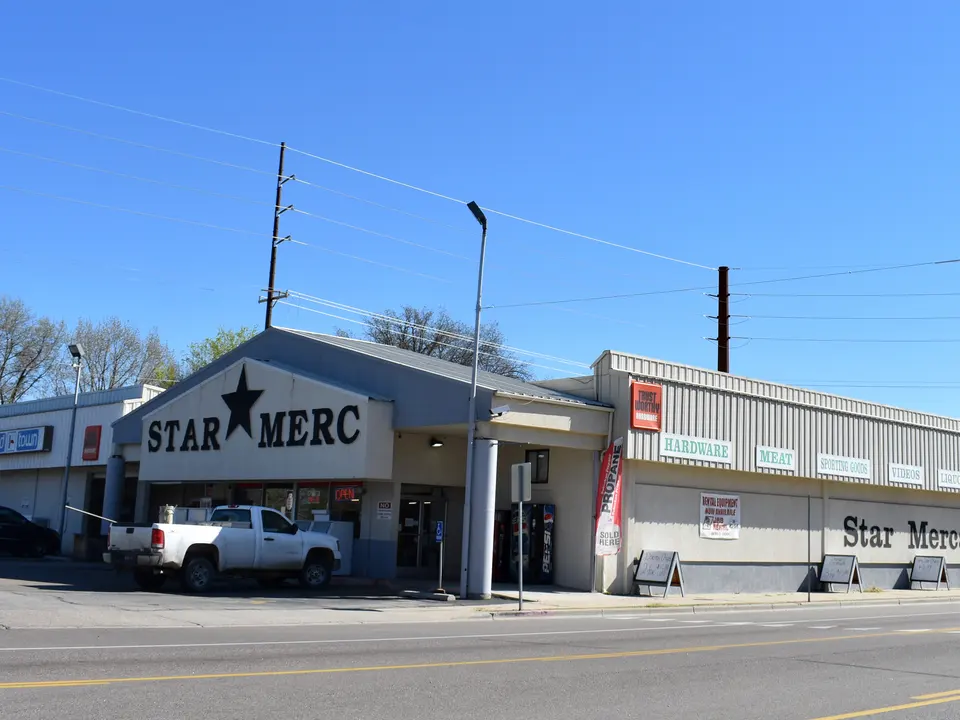
Star got its name from a wooden star. A settler sawed it out and nailed it to the door of the 1870s schoolhouse, and it became a landmark for travelers and miners (City of Star). Today the town sits between the foothills to the north and the Boise River to the south, with State Highway 44 running through downtown as State Street. New rooftops stand beside hayfields, horse pasture, irrigation ditches and pond-lined subdivisions.
Those settings decide which pests turn up and when. This guide describes them and explains how licensed professionals usually approach each one. It is not a manual for handling anything yourself.
Everything on this site is general information, written only for Star. Star Pest Guide does not sell or perform pest control. Describe what you are seeing and request a free quote. Requests are passed to a licensed local provider.
Pick a pest to begin
- 20,874Estimated people living in Star on July 1, 2025 (U.S. Census Bureau)
- 1997The year Star re-incorporated, after giving up its charter in 1929
- 11Pest guides built around Star homes, yards and open ground
Free, no obligation
Get a free quote
Describe what you are seeing and request a free quote. Requests are passed to a licensed local provider.
Your request is shared with a licensed local provider, so they can reply. This guide does not sell your information. Disclosure
Why Star is its own case
Five local conditions behind most pest problems in Star
A broad regional overview misses what makes Star different. Five things explain most of what homeowners here run into: very fast growth onto farmland, the river and its ponds, a long history of ditches and canals, wild ground at the edges of town, and a city line that crosses two counties.
From 648 residents to an estimated 20,874
When Star re-incorporated on December 10, 1997, it had about 648 residents (City of Star). The Census counted 5,793 people in 2010 and 11,117 in 2020. The Census Bureau puts the July 1, 2025 population at 20,874, roughly 85% above the 2020 base (Census QuickFacts). Much of that growth landed on former fields. In the northwest, between Can-Ada and Munger roads, streets like those in Canvasback and Trapper Ridge sit next to farmland that is still worked. When harvest ends and nights turn cold, mice and crickets in those fields look for the nearest garage.
The river, the Riverwalk and pond-lined streets
The Boise River runs along the south side of town. Star Riverwalk Park, at 1000 S. Main Street, follows it with a walking path, river access and picnic areas on 4.76 acres (City of Star). Nearby subdivisions add their own water. Heron River has ponds and more than 75 acres of open space, and Cranefield and River Park Estates have ponds or lakes. Damp banks and thick plantings suit millipedes, pill bugs and flies, and spiders follow the insects.
Ditches older than the town itself
The Idaho State Historical Society notes that the Pioneer Ditch, begun in 1864, led to the founding of Star in 1870 (ISHS). Today the Farmers Union Ditch Company, a mutual ditch company, delivers water here through a canal of about 26 miles that irrigates about 8,500 acres (Farmers Union Ditch). Water runs in canals and laterals through the growing season and is shut off in fall. Until then, irrigated lawns and ditch banks keep the soil moist in an otherwise dry summer, and those banks give rodents cover. Central District Health publishes rat and rodent prevention guidance for Ada County.
Foothills and open ground on the edges
North of town, toward Beacon Light Road, the land climbs into the foothills. Areas such as Hillsdale Estates have acre horse properties, and undeveloped ground still borders many newer streets. Wild edges bring deer mice, ticks and field insects close to homes. The valley’s official station shows hot, dry summers and cold winters, with most precipitation from late fall through spring (NWS). Each seasonal swing pushes pests toward shelter.
One town, two counties
Star sits in northwestern Ada County and extends west into Canyon County. Central District Health serves the Ada County side, and Southwest District Health serves homes on the Canyon County side. Schools are split the same way, between the West Ada and Middleton school districts. When you look up public-health advice, start with the district that covers your address.
The guides
Eleven guides for Star homes, garages and yards
Every guide opens with how a pest behaves in Star. It then covers how to tell it apart from look-alikes, what public agencies have published about it, and how a licensed professional usually handles it. You won’t find treatment instructions here.
- SpidersBlack widows, hobo spiders and the everyday web builders in Star garages.Open this guide
- AntsLines of small ants along sidewalks, irrigated beds and kitchen counters.Open this guide
- MiceHouse mice and field-edge deer mice, and the hantavirus questions deer mice raise.Open this guide
- RatsDitch banks, animal feed and outbuildings, with Central District Health guidance.Open this guide
- Wasps and hornetsPaper nests under eaves and fences that keep growing until late summer.Open this guide
- CricketsGarage visitors that show up once harvest ends and nights turn cold.Open this guide
- Boxelder bugsRed-and-black clusters on sunny siding as fall settles in.Open this guide
- Millipedes and pill bugsDamp-soil crawlers on watered lots and pond-side yards.Open this guide
- FliesHouse flies near pasture, fruit flies by the fruit bowl and cluster flies in attics.Open this guide
- Pantry pests and beetlesSmall moths and beetles that come home inside packaged food.Open this guide
- Fleas and ticksPets, horse pasture and foothill trails on the edges of town.Open this guide
Professional help
Bringing in a professional
Recommended local provider
ProGuard Pest Control
This guide recommends ProGuard for homes in Star, and ProGuard describes its treatments as family and pet safe. Star Pest Guide itself is an educational site. If you use the quote form, your request is passed to a licensed local provider.
- Local, family and veteran owned
- Licensed and insured
- Family and pet safe
- Free quote
- Serves Star, Idaho
Hiring anyone? Use this checklist first
Whichever company you choose, confirm the applicator holds an Idaho license, ask to see proof of insurance, and get a written description of the work. In Star, door-to-door salespeople need a permit from the City Clerk and must wear a city-issued badge with their photo, so ask to see it. The Star hiring checklist covers each step.
Quick answers
Questions Star homeowners ask first
Here are short answers to a few common questions, drawn from the same sources as the longer pages. More are on the FAQ page.
Does living near the river or a pond change what I see?
Often, yes. Lots near the Boise River or beside a subdivision pond stay damper than lots on drier ground to the north. That moisture tends to bring millipedes, pill bugs, flies and the spiders that feed on them. Homes beside fields or pasture see more mice and crickets in fall. The Star neighborhoods page covers each part of town.
Which part of the year is busiest?
It shifts with the seasons. Ants become noticeable as the weather warms. Wasp nests grow through summer and are largest late in the season. While canals carry water, irrigated yards stay moist. Once water is shut off in fall and nights get cold, mice, crickets and boxelder bugs head for houses and garages. The seasonal pest calendar goes month by month.
What happens after I fill out the quote form?
Describe what you are seeing and request a free quote. Requests are passed to a licensed local provider. Your request is shared with a licensed local provider, so they can reply. This guide does not sell your information. You can start on the quote form or read the disclosure.
Sources
- U.S. Census Bureau, QuickFacts: Star city, Idaho
- City of Star, History of Star; Information (Comprehensive Plan)
- City of Star, Star Riverwalk Park
- Idaho State Historical Society, irrigation reference series (Pioneer Ditch)
- Farmers Union Ditch Company, farmersunionditch.com
- National Weather Service, Local Climate of the Treasure Valley (figures come from the valley’s official airport station)
- Central District Health, Rats and Rodent Prevention in Ada County
Each citation points to the agency, city or historical record behind the fact.
Need help with a pest in Star?
Describe what you are seeing and request a free quote. Requests are passed to a licensed local provider.